
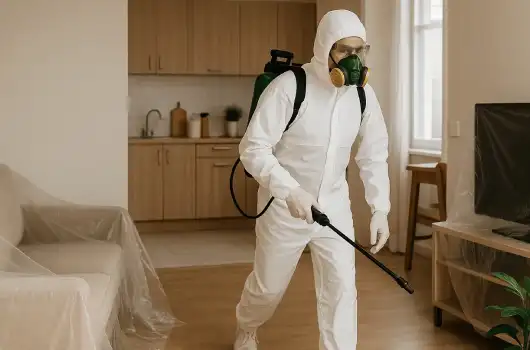
Ant Control Albert Park is frequently requested because the suburb combines established homes, apartments, cafés, landscaped gardens and recreational spaces that provide food, moisture and shelter for different ant species. Warm weather, irrigation, pet food, rubbish storage and small structural gaps all contribute to recurring ant movement. Addressing the source rather than only visible ants helps reduce ongoing activity.
Many infestations begin with only a few visible ants before expanding into larger colonies. Booking Ant Pest Control Albert Park can help when you notice repeated ant trails, insects gathering around sinks, cupboards or bins, nests in garden beds, soil mounds near paving, winged ants during warmer months or ongoing activity despite supermarket products. Identifying the nesting location is an important step before removal begins.
Every service begins with an Ant Inspection Albert Park to locate nesting areas, identify likely entry points and assess environmental conditions contributing to ant movement. Kitchens, roof voids, subfloors, gardens, retaining walls and boundary areas may all be examined depending on the property layout.
After inspection, suitable Ant Removal Albert Park strategies are selected according to the species, colony size and nesting locations. Rather than focusing only on visible insects, attention is directed towards reducing activity at its source wherever practical.
Ant Control Albert Park is available for detached homes, apartments, strata properties, cafés, offices, retail premises, schools, hospitality venues and warehouses. Different environments attract ants for different reasons, so each property receives an approach suited to its layout, usage and level of activity. Ant Control Melbourne works across both residential and commercial locations throughout Albert Park.
Recurring infestations often indicate hidden nests beneath paving, inside wall cavities, under concrete slabs or around landscaped areas. An Ant Exterminator Albert Park investigates these potential nesting locations to reduce recurring activity. Seasonal weather changes, nearby vegetation and moisture sources are also considered during the visit.
Ants are commonly found around kitchens, laundries, bathrooms, outdoor entertaining areas, electrical conduits, garden edging, retaining walls, fences, tree roots, rubbish storage areas and paved pathways. Understanding these patterns allows Ant Control Albert Park services to focus on areas where colonies are most likely to develop.
Along with Ant Treatment Albert Park, property owners receive practical recommendations that may help discourage future activity. Reducing accessible food sources, managing excess moisture, sealing small entry gaps, trimming vegetation touching buildings and keeping outdoor areas tidy can all contribute to fewer recurring ant issues. Ant Control Melbourne combines treatment with practical property-specific advice.
Large numbers of ants entering food preparation areas, hospitality venues or business premises often require prompt attention. Same Day Ant Control Albert Park and Emergency Ant Control Albert Park options help address urgent infestations where availability allows.
Ant Control Albert Park provides solutions designed around the conditions found at each property instead of using the same approach everywhere. By combining inspection, identification, targeted removal and practical prevention advice, Ant Control Melbourne helps reduce recurring ant activity while keeping disruption to daily routines to a minimum.
Cleaning removes food residues, but colonies may still exist outside or within structural areas. Ant Control Albert Park focuses on locating the source rather than only visible ants.
Yes. Colony size, nesting behaviour and food preferences vary between species, so the inspection helps determine the most suitable approach for each situation.
An inspection can identify visible ant activity, nesting locations and conditions that may contribute to future infestations, giving buyers useful information about the property.
Many cafés, offices, retail premises and hospitality venues organise routine visits to manage recurring activity and reduce interruptions to daily operations.
Rapid attendance can be beneficial when ants suddenly invade kitchens, commercial premises or food preparation areas where immediate attention is preferred.
Keeping food sealed, reducing moisture, maintaining gardens, managing rubbish storage and addressing small entry gaps may help discourage new colonies from becoming established.