
Ant activity around a home or workplace can quickly turn from a few wandering insects into persistent trails across kitchens, bathrooms, gardens and entry points. Ant Control Melbourne provides targeted help for residents and businesses seeking Ant Control Officer services, with attention to where ants are entering, what is attracting them and how activity can be reduced.
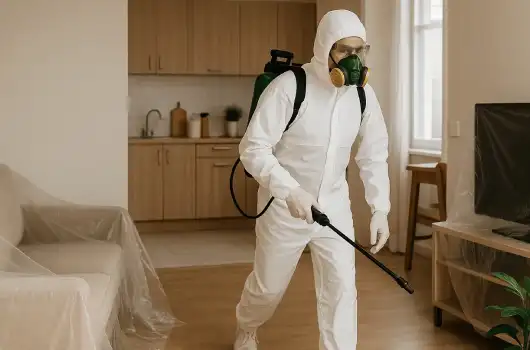
For properties in Officer, local conditions can influence ant activity. Gardens, lawns, paving, retaining areas, wall cavities and food storage spaces can all provide routes or nesting opportunities. A practical Ant Control Officer service looks beyond visible trails to locate contributing conditions and select an appropriate approach for the property.
Ants may enter buildings through tiny gaps around doors, windows, utility penetrations and wall junctions. Outdoor nests can also sit close to foundations, paths, garden beds or paved areas. Once worker ants find food or moisture indoors, they can create repeat routes between the colony and the source.
Common attractants include uncovered food, sweet spills, pet food, overflowing bins, damp areas and poorly sealed pantry items. Outdoor factors such as irrigation, mulch, vegetation and sheltered cracks can also support ant movement. Ant Control Officer services can address both the visible activity and the conditions contributing to it.
Identifying the pattern matters because different ant species can favour different locations and food sources. An Ant Pest Control Officer visit can assess visible trails, likely entry routes and areas where colonies may be located before the service approach is selected.
Ant Control Melbourne works with residential and commercial properties where recurring ant activity is affecting everyday spaces. The service can cover indoor trails, outdoor nesting areas, entry points and conditions that encourage ants to return.
Homes may develop ant activity around kitchens, laundries, bathrooms, garages, balconies and garden edges. Ant Removal Officer services can focus on the areas being affected while considering nearby outdoor sources that may be feeding indoor activity.
Shops, offices, hospitality venues, warehouses and other workplaces can encounter ants around food areas, storage zones, entrances and waste areas. An Ant Exterminator Officer service can assess the affected spaces and plan treatment around the property’s layout and operating needs.
An inspection begins by reviewing where ants have been seen and how often activity occurs. Visible trails, cracks, moisture sources, food attractants, nesting locations and likely access points can then be considered together rather than viewed as isolated problems.
An Ant Inspection Officer may also check external areas around garden beds, paving, foundations and entryways. This wider view helps identify whether indoor activity is connected with nearby outdoor conditions. Where ant activity changes throughout the day, details about timing and location can help narrow down likely routes.
For recurring infestations, an Ant Control Officer assessment can also consider how ants move between outdoor areas and internal spaces. This creates a clearer picture of where attention may be required across the property.
Ant Treatment Officer services can vary according to the species, location of activity, extent of the issue and conditions around the property. The approach may involve targeted applications to active areas, attention to entry points and measures aimed at reducing access to food or moisture.
Rather than treating every part of a property in the same way, Ant Control Melbourne can focus attention on locations connected with the reported activity. This can be particularly useful where ants are appearing repeatedly in one room, around one external wall or along a defined trail.
Some ant problems need prompt attention because activity is spreading through food preparation areas, customer-facing spaces, rental properties or frequently used rooms. Same Day Ant Control Officer assistance can be considered when ants are appearing suddenly, returning in large numbers or interfering with normal use of a property.
Emergency Ant Control Officer support may also be requested when a sudden increase in ant activity occurs after weather changes, landscaping work, building work or a disturbance near an outdoor nest. Prompt assessment can help identify the source and determine the next practical step.
Small changes around the property can reduce common attractants and make ant activity easier to manage. Store food in sealed containers, clean spills promptly and keep rubbish areas tidy. Repair dripping taps and address persistent dampness where practical.
These steps can support an Ant Control Officer service by reducing conditions that encourage repeated ant movement. If activity continues despite housekeeping changes, a property assessment can help identify less obvious entry or nesting areas.
Officer includes a mix of newer homes, established residential pockets, commercial premises, open outdoor areas and ongoing development. Changes in landscaping, construction activity, garden conditions and seasonal weather can alter where ants travel and nest.
Ant Control Melbourne can assist across houses, units, rental properties, offices, retail premises and other local buildings. An Officer Ant control service can be planned around the affected areas, whether the issue is concentrated indoors, outdoors or across both settings.
For property owners and occupants, the goal is to understand why ants are present and address the conditions linked with the activity. An Ant Control Officer service can therefore focus on the source, movement patterns and contributing conditions rather than only addressing individual ants as they appear.
Ants may move indoors when they find food, moisture or shelter, or when outdoor nesting areas are disturbed. Entry points around windows, doors, walls and utility openings can also provide access.
An inspection considers ant trails, entry points, food and moisture sources, outdoor nesting areas and the locations where activity changes. This helps connect visible ants with likely causes.
Yes. Ant Control Officer services can be arranged for offices, retail premises, food-related businesses, warehouses and other commercial settings, with attention to affected areas and operating conditions.
Clean accessible food spills, store food securely and note where and when ants are appearing. Avoid disturbing active trails immediately before an inspection when possible, as their location can provide useful information.
It can be. Repeated trails may connect an indoor food or moisture source with an outdoor nest or a concealed nesting location inside a building. An assessment can help identify likely routes.
Ant activity can return if a colony remains nearby or if new attractants and access points develop. Monitoring trails and addressing food, moisture and entry conditions can help reduce repeat activity.