
Persistent ant activity can quickly spread from kitchens and bathrooms to outdoor entertaining areas, gardens and commercial premises. Ant Control Carlton focuses on locating nesting sites, identifying entry points and reducing recurring infestations with a practical approach suited to the suburb’s mix of heritage homes, apartment buildings, cafés and retail properties. Ant Control Melbourne delivers tailored solutions that address visible ants as well as the hidden colonies that often remain out of sight.
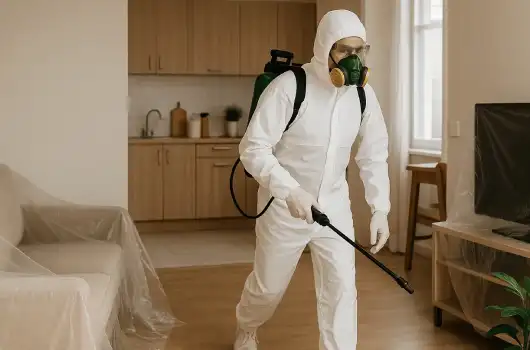
Warm conditions, regular moisture and readily available food sources allow ants to establish colonies in many Carlton properties. Ant Control Carlton helps reduce activity before colonies expand into wall cavities, paving, gardens, roof spaces or internal living areas. Small ant trails may appear harmless at first, yet they frequently indicate a much larger nest nearby. Early attention can minimise ongoing disruption and reduce further spread throughout the property.
Many infestations develop gradually before becoming noticeable. Property owners often observe ants travelling along skirting boards, window frames, fences, pathways or kitchen benches. Other indicators include soil mounds near paving, repeated ant trails returning to the same location and insects gathering around moisture sources.
When these signs appear repeatedly, Ant Pest Control Carlton can help identify where colonies are developing and recommend the most suitable management plan.
Ant Control Carlton begins with a detailed assessment of both indoor and outdoor areas. The inspection focuses on ant movement, nesting locations, moisture sources and structural entry points. After identifying the level of activity, Ant Control Melbourne applies suitable management options designed for the property’s layout and infestation pattern.
Different property types require different approaches. Ant Removal Carlton is suitable for houses, townhouses, apartment complexes, offices, hospitality venues, medical facilities, warehouses and retail premises. Carlton’s diverse building styles often create unique nesting opportunities, making property-specific planning important. Ant Control Melbourne works across a broad range of premises while minimising disruption to occupants and daily activities.
Ant Treatment Carlton focuses on reducing colony activity rather than simply addressing the ants that are immediately visible. By considering nesting behaviour, food sources and environmental conditions, the service aims to interrupt ongoing movement across the property. Regular monitoring may also assist where recurring activity has previously been reported.
For urgent situations involving rapidly increasing infestations, Same Day Ant Control Carlton may be suitable depending on scheduling requirements. Larger infestations affecting business operations or residential living can also benefit from Emergency Ant Control Carlton where prompt attendance is required.
Property owners can lower the likelihood of recurring infestations by removing accessible food, repairing water leaks, trimming vegetation touching buildings and sealing small entry gaps where practical. Regular cleaning beneath appliances, prompt rubbish disposal and careful storage of pantry items may also discourage foraging ants. Combining these habits with Carlton Ant control creates a more difficult environment for new colonies to establish.
Cleaning removes food residues but does not eliminate the colony. Ant Control Carlton focuses on locating nesting areas that continue producing worker ants.
Yes. Many species establish colonies within wall cavities, roof spaces, garden edges or beneath paving where activity may remain hidden for extended periods.
If ant trails return repeatedly, multiple rooms become affected or outdoor colonies expand, an Ant Inspection Carlton can identify the source of the infestation.
Yes. Offices, cafés, retail premises and hospitality venues can all attract ants through food storage, waste areas and moisture sources.
Ants leave scent trails that guide other workers back to food sources. Unless the colony is addressed, activity may continue in the same areas.
Gardens, mature trees, older buildings, landscaped courtyards and regular access to food and water all contribute to favourable conditions for ant colonies.